
Kaelo-Prime
Young Terrestrial (Heavy Bombardment Phase)
Life on Kaelo-Prime · 4 species

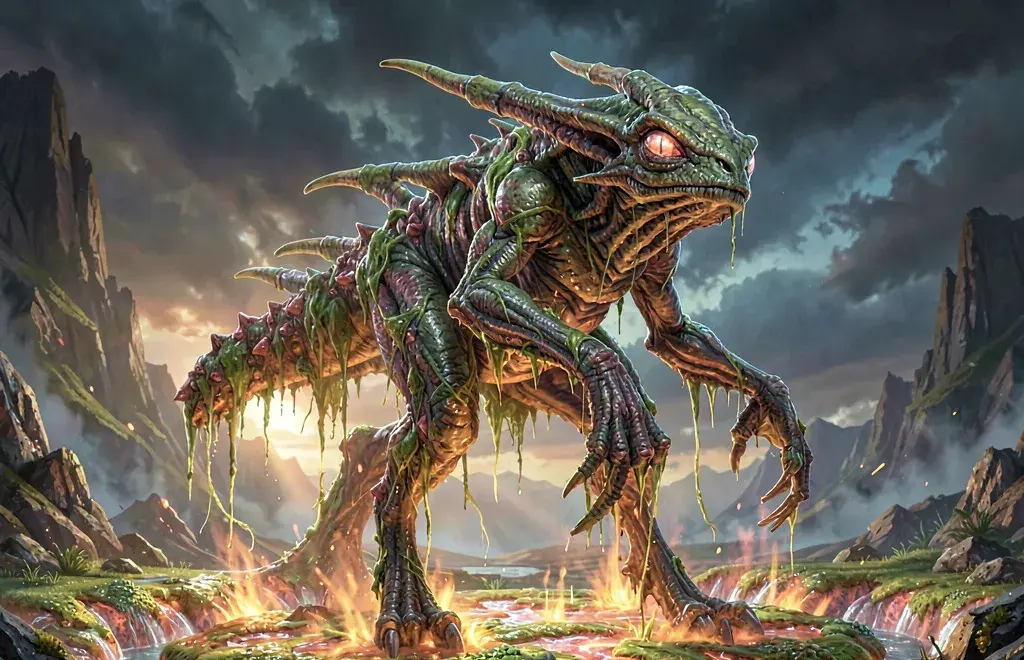
Aerospora thermos manifests as iridescent bio-films drifting atop Kaelo-Prime's cooling impact craters. These microbial mats harvest intense thermal plumes rising from still-molten crusts, converting geothermal gradients into biomass through chemolithotrophy. Their gelatinous sheets shimmer in hues of bruised violet and burnt orange, buoyed by hydrogen bubbles released during metabolic heating. Serving as the planet's primary producers, Thermal-Drifters form a dynamic, floating foundation for nascent ecosystems. During heavy bombardment, they rapidly colonize fresh vents, providing immediate sustenance for scavenging arthropods and burrowing grazers. Their constant migration ensures energy flow across the hostile, shifting landscape, anchoring life within Kaelo's violent youth.
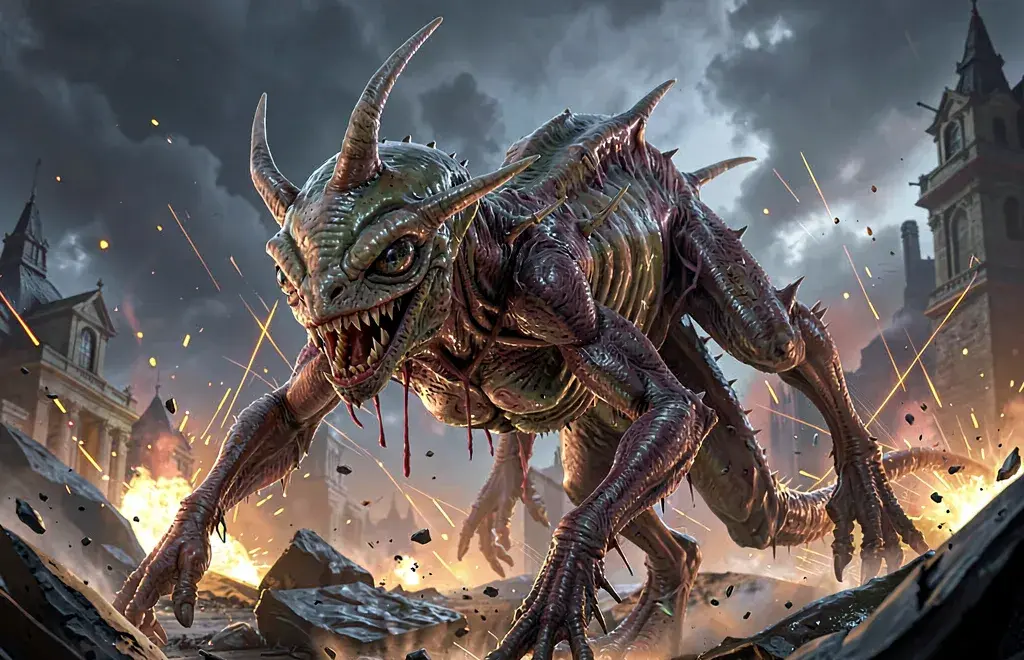
Lithovaga frigus, or Cooling-Scavengers, are low-profile, multi-limbed detritivores endemic to Kaelo-Prime's heavy bombardment phase. Their segmented, heat-shielded bodies hug the regolith, allowing them to dart across scorching impact zones within minutes of crater formation. They possess specialized mandibles capable of crushing molten silicate shards and extracting rare volatiles trapped in cooling ejecta. These creatures operate with frantic efficiency, clearing debris before thermal blooms from residual magma ignite flammable atmospheric gases. By consuming fragmented meteoritic iron and superheated rock, they prevent catastrophic secondary ignitions while recycling essential minerals into the planet's nascent biosphere. Their rapid digestion converts extreme heat into metabolic energy, sustaining life in an otherwise lethal environment.
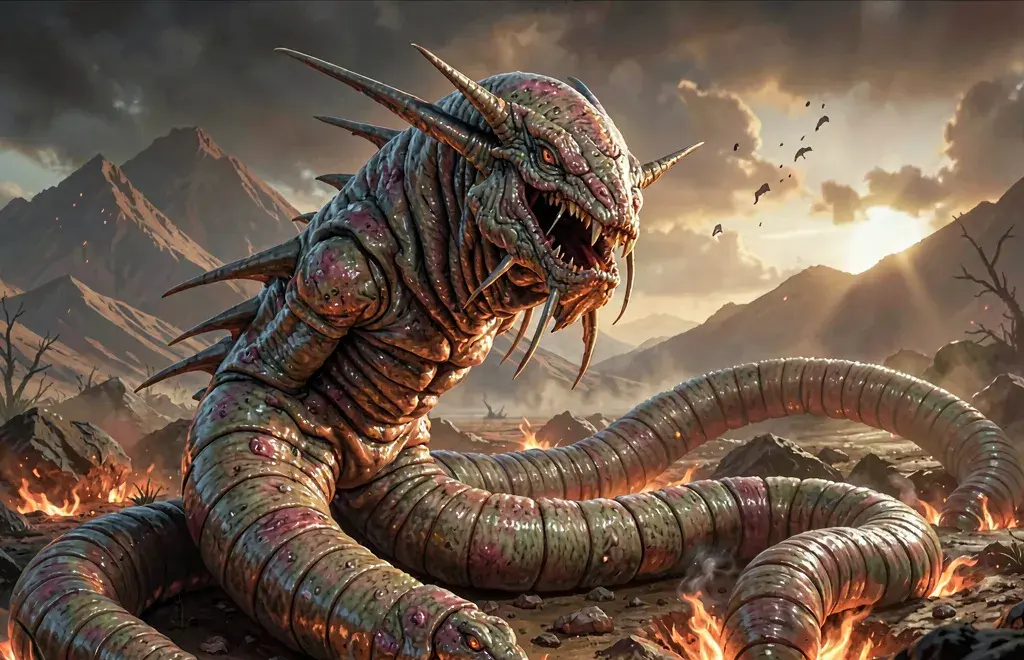
Tremavermis profundus are elongated, segmented vermiforms burrowing deep within Kaelo-Prime's fractured regolith, avoiding surface bombardment by inhabiting thermal strata inaccessible to orbital engines. Their translucent, heat-absorbing dermis glows faintly as they metabolize residual geothermal energy, extracting entropy directly from the planet's molten core flows. These creatures navigate via seismic sensing, detecting minute vibrations of falling debris far above. Adept predators in the dark, they ambush smaller subsurface fauna with rapid, hydraulic protraction of their barbed oral fans. Despite their sluggish surface appearance, deep movements are explosive, driven by internal heat differentials. They serve as vital regulators of planetary thermal stability, though their presence often signals unstable crustal zones where heat reservoirs remain dangerously exposed.
World Data
- star
- K-type Orange Dwarf (Stable but dim)
- gravity
- 1.4g (High due to dense core)
- atmosphere
- Thick, silica-rich dust haze with high particulate density; Oxygen-poor, CO2-rich
- temp
- -40°C to 80°C (Extreme thermal gradients from fresh impacts)