
Coralis Prime
Tidal-Locked Supercontinent with Deep Thermal Shelves
Life on Coralis Prime · 4 species

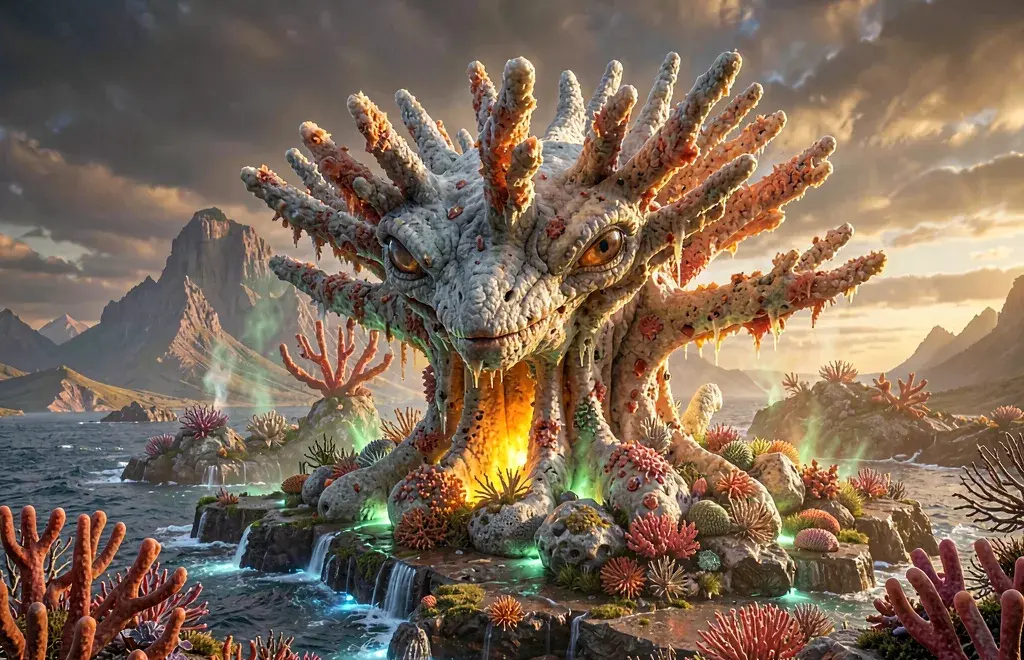
Solariostroma radiata, known as Sun-Reff Coral, dominates Coralis Prime’s illuminated supercontinent edge. Silicate-organic hybrids form massive obsidian spires absorbing intense stellar radiation. Functioning as biological thermal engines, they convert light into surface heat, warming the stagnant atmosphere to generate vital updrafts for resident fauna. Standing atop deep thermal shelves, these structures bake the warm air creating thermals supporting apex Aerovora predators. Without this radiant output, Coralis Prime’s dense atmosphere would remain frigid, dead, utterly still. The coral anchors the biosphere against extreme temperature gradients between eternal day and night sides.
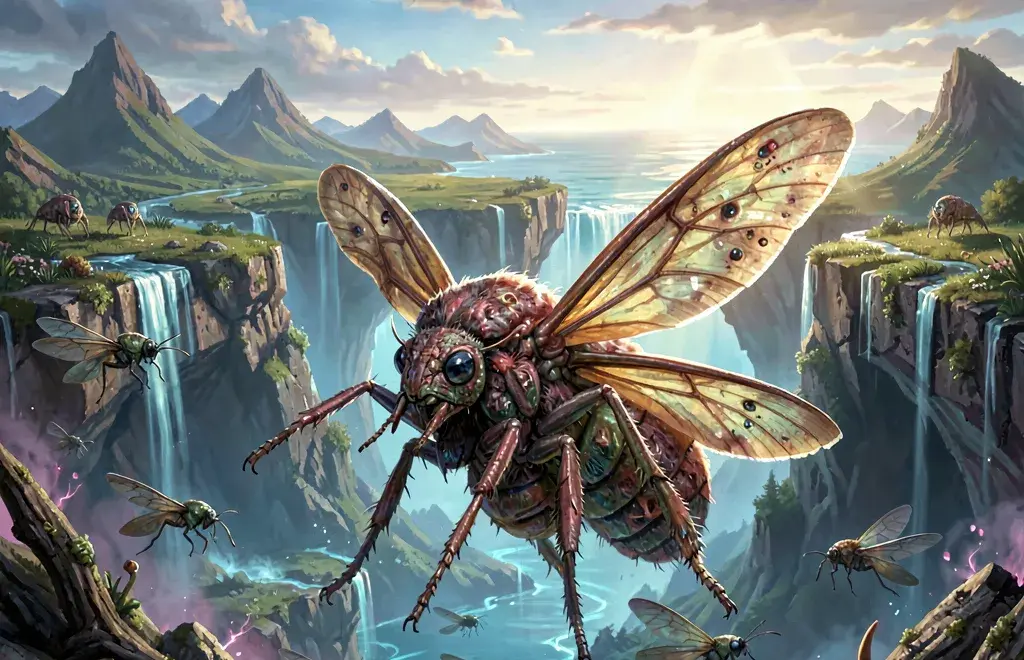
Nebuloptera minor, or the Aether-Moth, is a small, heavy-bodied insect adapted to Coralis Prime's lower thermal layers. Unlike terrestrial moths, it lacks delicate wings, instead utilizing dense, gas-filled abdomens to hover passively within the warm updrafts above the deep thermal shelves. Its translucent, amber carapace filters ambient light, allowing it to drift invisibly through the twilight zone of the tidally locked continent's super-ocean interface. These creatures function as vital suspension-feeders, straining microscopic plankton from the rising currents while serving as primary prey for larger marine swimmers. Their slow, rhythmic undulations create subtle turbulence that attracts predatory fish and cephalopods navigating the nutrient-rich thermal gradients. Despite their fragility, Aether-Moths reproduce in massive clouds during seasonal upwellings, ensuring a continuous caloric supply for the planet's apex aquatic hunters.
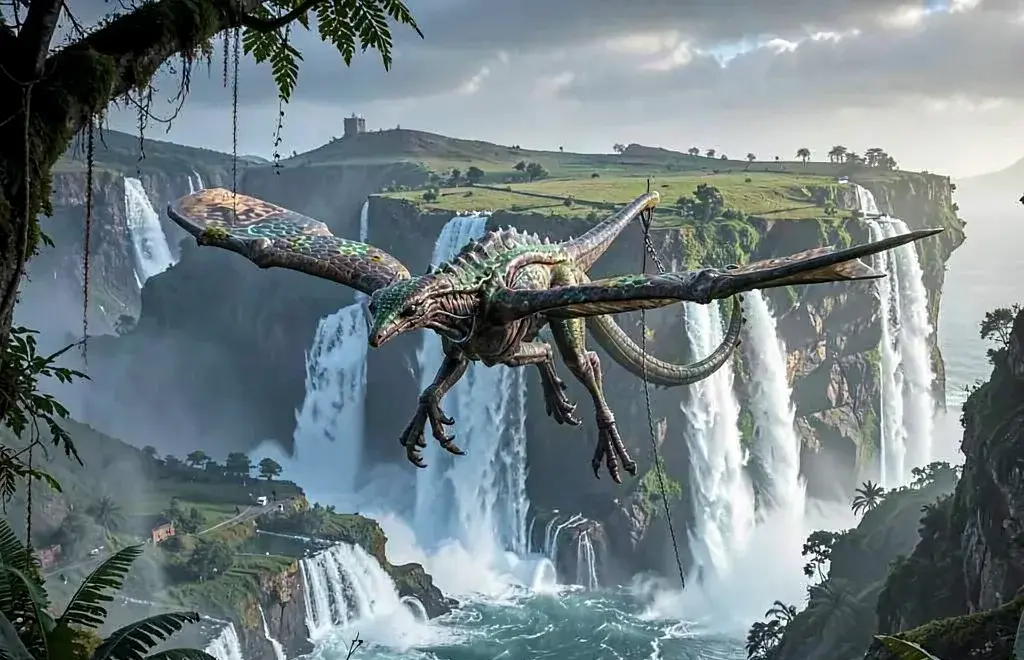
The Descensus volans, or Down-Draft Stalker, is a compact, high-density glider inhabiting Coralis Prime's thermal shelves. Its slate-grey integument and reinforced skeletal structure allow it to withstand the crushing pressure of deep atmospheric sinks. Unlike its aerial prey, this apex predator does not seek rising thermals; instead, it drifts invisibly through cold, descending air columns where other birds fear to tread. Hunting primarily by acoustic mimicry, the Stalker replicates the distinct low-frequency pressure signature of distressed Aerovora. Confused avian flocks dive toward the false signal, only to be trapped in the creature's waiting grasp as they plummet into lethal, stagnating downdrafts. This deceptive strategy turns the planet's violent weather systems into a silent hunting ground for this patient, shadowed hunter.
World Data
- star
- K-type Orange Dwarf (High Infrared Output)
- gravity
- 0.85g
- atmosphere
- Dense Nitrogen-Methane mix with high organic aerosol density; 3.2 atm surface pressure
- temp
- Surface: 310K (Day side shelf); Gradient to 180K at 10km altitude